Rolex Submariner vs. GMT-Master II: Which One Is Easier to Sell Fast?
It’s Thursday night in Scottsdale. You’re heading to WestWorld for an event, a car deal is moving faster than expected, or you’ve spotted something at Barrett-Jackson that you don’t want to miss. You have a Rolex, and you need to turn it into cash without guessing what it’s worth or waiting around for months.
Between a Rolex Submariner and a GMT-Master II, the Submariner is often the simpler watch to sell quickly. But that is a general pattern, not a promise. The exact reference, condition, completeness, current demand, and selling route can matter more than the model name. A popular GMT-Master II can sell faster than a less sought-after Submariner.
Here is the tradeoff: selling outright can take more time if you want to shop for the best offer. A watch-backed loan may free cash faster while letting you keep the watch, but it comes with interest and repayment terms. The right choice depends on your deadline and whether you’re ready to part with the watch.
The Short Answer: Submariner for Broad Demand, GMT-Master II for Specific Appeal
The Submariner has exceptionally broad recognition. It works with a suit, a T-shirt, or a weekend in the desert, and buyers generally understand what they’re looking at. That familiarity can make it easier to price, market, and move on the secondary market.
The GMT-Master II has a strong following of its own. Its dual-time function and distinctive bezel colors give it a clear identity, and certain configurations attract intense buyer interest. But demand can be more reference-specific: one bezel and bracelet combination may draw immediate attention, while another can require a more particular buyer.
So, if the question is which model is usually easier to sell quickly across a broad pool of buyers, the Submariner has the edge. If the question is which individual watch will sell first, you need to compare the actual references and condition.
Factor Submariner GMT-Master II Buyer familiarity Very broad; one of the most recognizable Rolex models Broad, with strong interest among travel and sports-watch buyers Demand pattern Often steady across a wide range of buyers Can be especially strong for particular references and bezel colors Pricing sensitivity Buyers compare many similar examples Configuration can have a larger effect on buyer interest and pricing Fast-sale advantage Familiarity and a large potential audience High appeal when the specific reference is in demandWhat “Easy to Sell Fast” Actually Means
Fast is not a single number. A dealer purchase, a private sale, a consignment, and a collateral loan have different timelines, costs, and outcomes. A dealer may be able to make an offer quickly, but the offer reflects the dealer’s need to authenticate, manage risk, and resell the watch. A private sale may bring a different price, but you handle inquiries, verification, scottsdale payment, and the risk of delays.
Before you compare offers, define your deadline. Do you need funds today, by the end of the week, or sometime this month? A Friday-night deadline before an auction is a different problem from having a few weeks to test the market.
Also decide what “sell” means for you. If you hand over ownership for a purchase payment, that is a sale. If you leave the watch as security and receive funds under agreed terms, that is a collateral loan. They are not the same transaction.
What Drives Rolex Submariner Value and GMT-Master II Resale?
Reference and configuration
“Submariner” and “GMT-Master II” cover many references and production periods. Metal, bezel, dial, bracelet, age, and other specifications all matter. The GMT-Master II resale market can be especially sensitive to its exact color and configuration. A model name alone is not enough to estimate what a buyer will pay.
Condition and service history
Scratches, bracelet stretch, replaced components, polishing, and service history can affect both desirability and the time it takes to complete a deal. Be honest about the watch’s condition. Clear photographs and available service paperwork help a prospective buyer or evaluator understand what is being offered.
Box, papers, and other documentation
Original box, warranty card, receipts, and service records can make a watch easier to assess and may broaden buyer confidence. Missing documents do not automatically prevent a sale or loan, but they can lead to additional questions or affect the offer.
Current demand and asking price
Global secondary market pricing tracked publicly can help you understand recent asking and transaction signals, but online listings are not guaranteed sale prices. An unsold listing at a high number does not prove that buyers are paying that amount. Look at recent comparable examples and keep the date in mind: market conditions can change, and an old price is not a current quote.
For a quick sale, the asking price matters. Price too high and you may spend your deadline answering messages without closing. Price competitively and you may attract more serious buyers sooner, though you could accept less than you might after a longer sale process.
Sale, Consignment, or Collateral Loan?
If you no longer want the watch, an outright sale is straightforward in principle: agree on a price, complete authentication and payment, and transfer ownership. The practical timeline depends on the buyer and the transaction process.
Consignment can give you access to a retailer’s audience, but you generally wait for a buyer and need to understand fees, payment timing, and what happens if the watch does not sell. It may not suit a firm cash deadline.

A collateral loan can free cash without an immediate sale. Diamond Banc, for example, provides asset-backed lending services that may include luxury watches. In a collateral loan, the watch secures the loan; you receive funds under agreed terms and retain the right to reclaim the watch by meeting those terms. Ask for the loan amount, interest, fees, repayment schedule, and consequences of nonpayment in writing before proceeding.
That is different from a bank credit line. A bank credit line is based on the bank’s lending arrangement with you. A watch-backed loan is tied to the pledged asset and its valuation. Do not compare the two as if they were identical products.
Speed and Privacy vs. Interest Rate
When a cash need is urgent, a private transaction or collateral loan may feel more controlled than advertising the watch broadly. But privacy does not mean skipping diligence. Use a reputable counterparty, confirm how the watch will be handled, and understand the paperwork before you hand it over.
With a loan, speed and convenience have a cost: interest and potentially other charges. Ask for the total amount due at the date you expect to repay, not just a headline rate. Check whether interest accrues daily or monthly, whether there are extension costs, and how the watch is stored and insured while pledged.
With an outright sale, there is no repayment obligation, but you give up the watch. The best route is the one whose cost and timeline fit your actual need—not the one with the most impressive-sounding promise.
A Practical Timeline for Auction Week in Scottsdale
Events at Barrett-Jackson and WestWorld of Scottsdale can put collectors, dealers, and buyers in the same place. That creates energy, but it does not guarantee a better offer for your watch. The calendar can also make people rush into decisions they could have planned earlier.
Several days before the event
- Identify the exact reference and gather the box, papers, receipts, and service records.
- Photograph the dial, case, bracelet, clasp, and any noticeable wear in good light.
- Check current comparable listings and, where available, completed-sale information. Record the date and condition of each comparison.
- Decide whether you are willing to sell or only want temporary access to cash.
Before accepting an offer
- Request a clear explanation of the authentication and valuation process.
- Ask how the offer was calculated and what could change it after inspection.
- For a loan, get the full repayment terms, fees, and storage arrangements in writing.
- Allow time for verification and payment instead of assuming every transaction closes immediately.
On event day
Set a minimum acceptable outcome before you arrive. If the offer falls short, you can walk away rather than make a rushed decision between events. If the cash need is tied to a specific purchase, confirm the payment timeline with the seller before relying on watch proceeds.
Questions to Ask About Authentication and Valuation
A sound authentication and valuation process should be explained in plain language. Ask who inspects the watch, what details they verify, and whether the offer is preliminary or final. Find out whether the valuation considers the precise reference, condition, completeness, and current market demand.
Also ask what happens if the watch’s condition or originality differs from what was described. For a sale, clarify when payment is made and when ownership transfers. For a collateral loan, clarify custody, insurance, repayment, and the process for retrieving the watch.
Do not rely on a verbal “top dollar” claim. Ask for the process and the terms. A credible evaluation should be specific enough that you understand why the number is what it is, even if you decide not to accept it.
So, Which One Should You Choose?
If you own both and want the most broadly marketable watch to sell quickly, the Submariner is often the practical first candidate. Its name recognition and wide audience can make the sales process more straightforward.
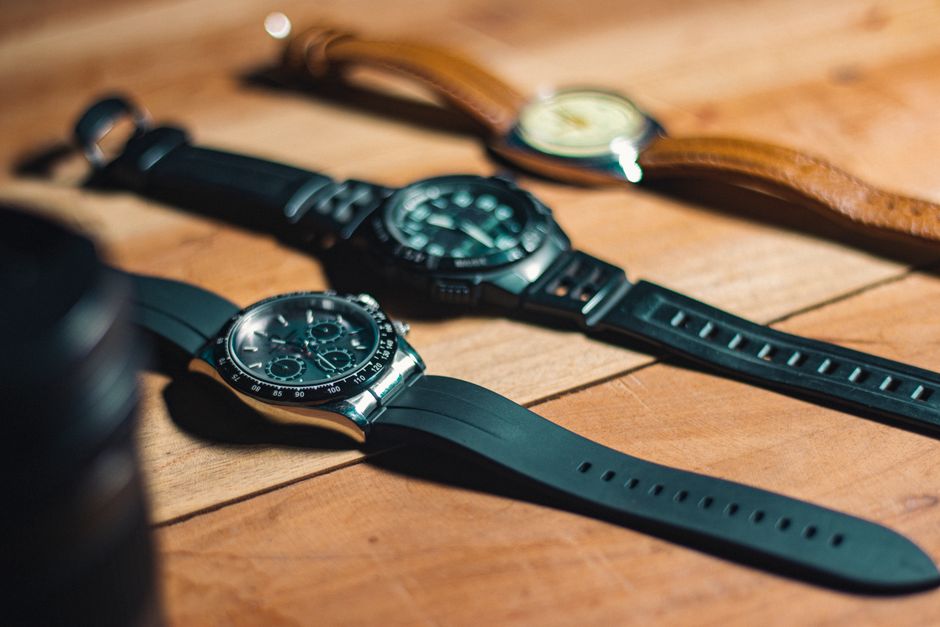
If your GMT-Master II is a configuration with strong current demand, it may be the faster or more attractive option. Check the exact reference rather than assuming every GMT moves alike. The same applies to the Submariner: condition, documentation, and realistic pricing can change the outcome.
If you need cash but expect to want the watch back, compare a collateral loan against the cost and certainty of selling. A loan can preserve ownership, but interest and deadlines matter. If you are comfortable letting the watch go, an outright sale avoids repayment and gives you a clean exit.
Rolex is a liquid luxury asset relative to many collectible goods, but “liquid” does not mean instant, guaranteed, or always at the price you hope for. The fastest responsible decision starts with a clear deadline, current comparisons, a documented authentication and valuation process, and a firm understanding of whether you are selling the watch or borrowing against it.