How Do I Explain a Watch-Backed Loan to My Business Partner?
A watch-backed loan can sound simple: borrow against a valuable watch, then repay the loan and get the watch back. But your business partner needs more than the short version. They need to understand why the business needs cash, how the lender sets the loan amount, what the loan will cost, what happens if repayment runs late, and whether anyone has to guarantee the debt personally.
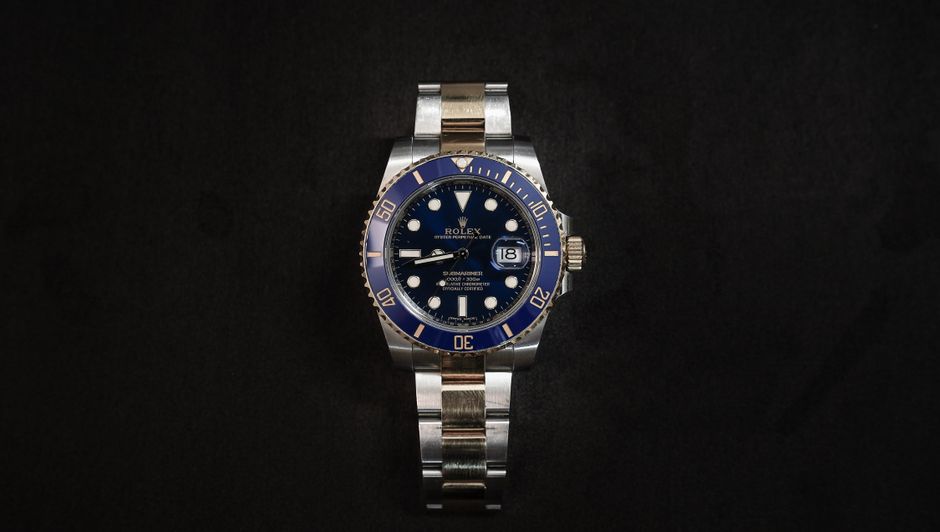
The clearest explanation treats the loan as a short-term financing decision—not as “free money” and not as a reason to ignore cheaper options. A Rolex may have an active secondary market, but its resale value is not the same as the amount a lender will advance. The lender will assess the specific watch, verify its authenticity and condition, and consider how easily it could sell if the borrower defaults.
Use the framework below to prepare a plain-English explanation, compare the loan with alternatives, and make the risk discussion concrete. Before signing, confirm every term in writing with the lender and, where appropriate, your attorney or accountant.
Start With the Business Problem, Not the Watch
Explain what timing gap the business needs to bridge. Small businesses can be profitable on paper and still face a temporary cash shortage: a customer pays late, a large order requires a deposit, inventory arrives before sales revenue, or payroll comes due before a receivable clears.
Be specific about the amount and the dates. For example: “We have a $24,000 supplier payment due on the 12th. A customer’s $31,000 payment is expected on the 26th, based on the contract and our recent payment history. We need short-term funding to cover the gap.” Those numbers are illustrative; use your actual invoices, due dates, and bank records.
Then explain why the business is considering a watch-backed loan instead of waiting, using cash reserves, negotiating supplier terms, or applying for a bank line of credit. A lender may be able to evaluate pledged property without relying solely on the Visit the website business’s credit history, but that does not make the loan automatic, cost-free, or suitable for every situation.
Translate the need into a cash-flow statement
“Cash flow” means when money enters and leaves the business, not simply whether the business expects to make a profit. What it means for payroll: a timing gap can leave the business short of cash for wages even when a customer has agreed to pay later.
Show your partner a simple timeline: the expense date, the expected customer payment date, the loan funding date, and the date you expect to repay. If repayment depends on a customer paying an invoice, identify a backup plan in case the customer pays late or disputes the bill.
Explain the Collateral-Only Part Precisely
A collateral-only explanation describes what the lender can claim if the borrower does not repay, without suggesting that every watch-backed loan has identical borrow against rolex watch terms. In a typical collateral-based arrangement, the borrower pledges a watch as security. The lender evaluates it and offers a loan based on its view of the watch’s value and resale prospects. If the borrower repays according to the agreement, the lender releases the pledged watch. If the borrower defaults, the lender may have the right to take possession and sell it, subject to the contract and applicable law.
Do not promise your partner that the lender can “only take the watch” unless the signed documents say that clearly. Ask whether the loan is recourse or non-recourse, whether the borrower is the company or an individual, and whether anyone must sign a personal guarantee. A personal guarantee may make an individual responsible for repayment beyond the collateral, depending on its terms. Read the guarantee and default provisions rather than relying on a verbal description.
Also clarify who owns the watch, who is authorized to pledge it, and whether a co-owner, spouse, or business entity must consent. If the watch belongs to a partner or an owner personally, the business should document the arrangement and get appropriate legal and tax advice.
Ask what happens to the watch while the loan is open
Confirm where the lender stores the watch, how it insures it, who may access it, and what happens if it is lost or damaged. Ask whether the lender holds the watch for the full loan term or uses another custody arrangement. Get written answers about storage, insurance, inspection, release conditions, and any fees that apply if you repay early or late.
Explain How the Lender Values a Rolex
Rolex watches often attract buyers in the secondary market, but “Rolex” is not a single price category. A lender may consider the exact model and reference, age, condition, originality, service history, box and papers, demand for that configuration, and the time and expense required to sell it. A watch’s original retail price, an online asking price, and a completed resale transaction are different measures.
Publicly tracked secondary-market pricing data can help your partner understand market direction and compare similar models. Use it as context, not as a promise that your watch will sell for a particular figure. Check whether the data represents completed sales or listings, how recently it was updated, and whether it matches the watch’s exact reference, condition, and included accessories. A broad price index cannot establish the value of one specific watch.
The lender may offer less than an estimated resale value. That difference can account for uncertainty, the time needed to sell, transaction costs, and the possibility that market prices fall. Ask the lender to explain the valuation method and what evidence it considered. If the offer seems low, you can compare it with documented sales for closely matched examples, but do not assume that a public listing proves the lender can recover that asking price.
Authentication is a separate step from pricing
A qualified specialist should authenticate the watch and assess its condition. Authentication can involve examining components, serial or reference information, and signs of replacement or modification. Ask who performs the inspection, what qualifications they have, whether they provide a written assessment, and how the lender handles a disagreement about authenticity or condition.
Authentication does not guarantee a particular loan amount or resale price. It helps establish what the watch is and whether the lender is willing to accept it. Ask how the lender protects the watch during inspection and whether the specialist is independent of the lending decision.
Compare Speed With Total Cost
A collateral-based lender may be able to assess a physical asset on a different schedule from a bank underwriting a business loan. But avoid telling your partner it is “fast” without a verified timeline. Ask the lender how long each stage usually takes: appointment and inspection, authentication, final offer, document review, funding, and release of funds. Confirm what might delay the process, such as missing ownership records or a need for additional inspection.
Then compare speed with the full cost. Request a written breakdown of interest, origination or appraisal charges, storage or custody fees, insurance charges, late fees, and any early repayment charge. Check whether interest accrues daily or monthly, whether fees are deducted from the amount advanced, and what the total payoff would be on the expected repayment date. A quoted rate alone may not show the full cost.
What it means for payroll: faster access to cash may help meet a near-term wage bill, but the financing cost reduces cash available for wages, suppliers, and other expenses later.
Financing option What to compare Question for your partner Watch-backed loan Funding timeline, total fees, loan-to-value, custody, default rights, and any personal guarantee Can we repay on schedule without putting an important personal asset at unreasonable risk? Bank line of credit Application timeline, underwriting requirements, interest, annual fees, and collateral or guarantee terms Is the likely cost lower, and can the bank fund before the cash gap arrives? Supplier terms or customer deposit Negotiated due dates, discounts, customer willingness, and effects on the relationship Can we solve the timing problem without taking on a new loan? Using cash reserves Minimum operating cash needed for payroll, taxes, and emergencies Would using reserves leave the business exposed if another expense arrives?Use actual written offers when comparing options. A bank product may take longer but cost less; a collateral lender may fit a brief, urgent gap but carry a higher all-in cost. Neither statement is universally true. The terms, borrower, collateral, and timeline matter.
Present a Repayment Source Plan
A repayment source plan identifies the money the business expects to use to repay the loan and what it will do if that money arrives late or falls short. “We’ll pay it back when business picks up” is not a plan. “We will repay from invoice 1847, due on October 28, and use the operating reserve if payment is delayed beyond November 4” is more useful—provided those dates and funds are realistic.
Show your partner a basic repayment schedule with the loan amount, estimated total payoff, planned payment date, and fallback source. Include the lender’s actual payoff calculation rather than estimating it from the interest rate alone. If the expected customer payment is uncertain, say so plainly and show how the business will cover the obligation without relying on another expensive loan.
Stress-test the plan. What if the customer pays two weeks late? What if the invoice is reduced? What if sales fall, payroll rises, or the business needs emergency repairs? If the business has no credible backup source, the loan may turn a short cash-flow gap into a loss of the watch—or a larger liability if the agreement includes recourse or a personal guarantee.
Make the Risk Discussion Direct
Your partner should hear both what the loan can solve and what it can put at risk. The business may avoid missing a supplier deadline or delaying another payment, but the borrower still owes under the contract. If the business does not repay, the lender may enforce its rights against the collateral. Depending on the contract, there may also be consequences beyond losing the watch.
- Asset risk: the owner could lose the pledged watch if the borrower defaults.
- Market risk: the lender’s valuation and secondary-market prices may differ from online estimates, and conditions can change.
- Cost risk: fees and interest may make a short-term loan expensive, especially if repayment takes longer than expected.
- Contract risk: late-payment, renewal, default, and sale terms may affect the borrower’s options.
- Personal-liability risk: a guarantee or recourse provision could expose an individual beyond the watch. Confirm this in the documents.
- Operating risk: repayment could compete with payroll, tax payments, rent, or other essential expenses.
These risks do not automatically make the loan a bad choice. They make clear documentation and a credible repayment plan essential. Do not pledge a watch that the owner cannot afford to lose, and do not treat a lender’s willingness to make the loan as evidence that repayment will be easy.

Use a Short Script With Your Partner
Once you have the documents and numbers, you can explain the decision in a few sentences:
“We have a temporary cash-flow gap because [specific expense] comes due on [date], while [specific customer payment or other cash source] is expected on [date]. We are considering a loan secured by [watch and owner]. The lender will authenticate and assess the watch, then advance [written offer amount] under terms that cost [written payoff amount] if we repay by [date]. Our repayment source is [specific source], and our backup is [specific backup]. We have checked whether the loan includes recourse or a personal guarantee, and the contract says [plain-English summary]. If repayment fails, [specific consequence] could happen.”
Fill in every blank from documents, not assumptions. If you do not yet know the total payoff, funding timeline, custody arrangements, default terms, or personal-guarantee status, tell your partner those items are still open and get answers before committing.
Review the Documents Before You Decide
Ask the lender for the full agreement and a written fee schedule before handing over the watch. Confirm the legal borrower, loan amount, net proceeds, interest calculation, payment and maturity dates, renewal options, late charges, default triggers, and how the lender may sell the collateral. Verify who inspects and stores the watch, how insurance works, and what you must do to retrieve it after repayment.
Most importantly, locate every section that discusses recourse, deficiency balances, personal guarantees, and enforcement after default. A “collateral-only explanation” is accurate only if the contract supports it. If a clause is unclear, ask the lender to explain it in writing and have a qualified professional review it.
A good conversation with your partner ends with a decision based on the business need, the true cost, the repayment source plan, and the downside—not on the watch’s brand name or a promised funding speed. A Rolex may help a business bridge a short timing gap, but only a realistic repayment plan and a careful reading of the agreement can show whether this particular loan makes sense.