How Do I Add a Scheduled Rider for My Rolex on Homeowners Insurance?
A Rolex can be worth far more than the jewelry limit in a standard homeowners policy. If it is stolen, lost, or damaged, that limit—and the policy’s rules about covered causes of loss—can leave you short. A scheduled jewelry rider, also called a personal articles floater or scheduled personal property endorsement, may provide broader coverage for a specifically listed watch.
Adding one takes more than sending your insurer a receipt. You need to confirm the watch’s current value, provide acceptable insurance documentation, understand the rider’s exclusions and deductible, and review how the coverage fits alongside your homeowners policy. In Florida, it is also important to keep the watch’s coverage separate in your mind from the large hurricane deductible on your home.
What a scheduled jewelry rider does
A standard homeowners policy typically has a special limit for certain valuables, including jewelry and watches. The limit may apply to theft, and it may be far below the value of a Rolex. The policy may also cover only certain causes of loss. For example, accidental loss—such as leaving a watch behind while traveling—may not be covered under the base policy.
When you schedule a watch, the insurer lists it individually with an agreed or stated value, based on the insurer’s terms. Depending on the policy, scheduled coverage can offer a higher limit and broader protection for listed risks, sometimes including accidental loss or damage. It is not automatically “all-risk” coverage, however. The contract’s definitions, exclusions, claim conditions, and settlement provisions still control.
Ask whether a claim is settled by repair, replacement, or cash payment; whether the insurer chooses the repair shop or jeweler; and whether the value is liquidity planning for homeowners fixed, subject to a limit, or adjusted using current documentation. Also ask what happens if a comparable replacement is unavailable or the model’s market price has changed.
Start with an accurate value
The purchase price is useful evidence, but it may not represent what it would cost to replace your particular watch today. Value can depend on the reference number, production year, condition, box and papers, service history, bracelet, dial, and other details. A current retail price, a dealer’s offer, and a secondary-market asking price are not necessarily the same thing.
For a practical estimate, collect more than one source of evidence. A recent appraisal from a qualified watch appraiser or jeweler may help establish replacement value. Keep the original invoice, service records, and any documentation from a prior sale. Secondary market pricing trackers such as WatchCharts can provide context on market trends and comparable references, but a tracker is not an appraisal and an insurer may require its own documentation.
- Record the brand, model, reference number, serial number, and approximate year.
- Photograph the watch, including distinctive marks and condition details.
- Save the purchase receipt, appraisal, service paperwork, and box-and-paper records.
- Ask the insurer how recent an appraisal must be and what format it accepts.
- Keep copies somewhere secure outside the home, such as encrypted cloud storage.
Do not post the serial number publicly. Share it only through a secure channel with your insurer, appraiser, or other appropriate professional.
How to add the watch: a step-by-step process
- Read your existing policy.
Find the jewelry sublimit, covered causes of loss, deductible, and any exclusions that could affect a watch. Check whether the policy has a separate personal articles section already. A scheduled item may be insured under the homeowners policy or through a separate policy, depending on the carrier.
- Ask your agent or insurer for a scheduling quote.
Give them the watch’s details and ask what documentation they need. Confirm whether the insurer accepts your appraisal, requires an inspection, or uses a valuation method of its own. Request the actual endorsement or policy wording—not only a summary of benefits.
- Compare coverage, not just price.
Check whether loss, theft, accidental damage, mysterious disappearance, and travel are covered. Ask about wear and tear, mechanical breakdown, unattended-property rules, and any security or storage requirements. Confirm whether coverage applies worldwide and whether there is a deductible for each claim.
- Review the final schedule.
Make sure the listed description and insured amount match the watch and its supporting documents. Verify the effective date. Keep the declarations page and endorsement with your insurance records.
- Update the schedule when circumstances change.
Tell the insurer if you sell the watch, trade it, add valuable components, or obtain a new appraisal that materially changes its value. Do not assume that a policy automatically tracks secondary-market prices.
Florida hurricane deductibles: understand what they do—and do not—apply to
Florida homeowners policies commonly use a hurricane deductible that is calculated as a percentage of the home’s insured dwelling limit, rather than as a flat dollar amount. Common hurricane deductible options: 2%, 5%, 10%. The percentage and how it is applied depend on your policy and insurer. Your declarations page and policy wording are the place to confirm the specific terms.
This is why deductible math can create a five-figure cash gap before repairs begin. The table is illustrative only: policy language, state rules, and the circumstances of a loss affect how a deductible applies. Your hurricane deductible is not necessarily calculated from the value of your Rolex.
Most importantly, do not assume that the hurricane deductible automatically applies to every claim involving a watch—or that scheduling a watch automatically exempts it from any applicable deductible. The treatment of personal property and scheduled items depends on the policy and endorsement. Ask your agent in writing: “If my Rolex is damaged or lost in a hurricane-related event, which deductible applies, and does the scheduled coverage have a separate deductible?”
A rider can improve the watch’s coverage, but it does not cover every storm-related situation. For example, flood damage may be excluded under a homeowners policy, and a separate flood policy may have its own terms and deductible. Ask specifically about wind-driven rain, storm surge, flooding, and damage while the watch is being worn or stored away from home.
Plan for the cash-flow problem after a storm
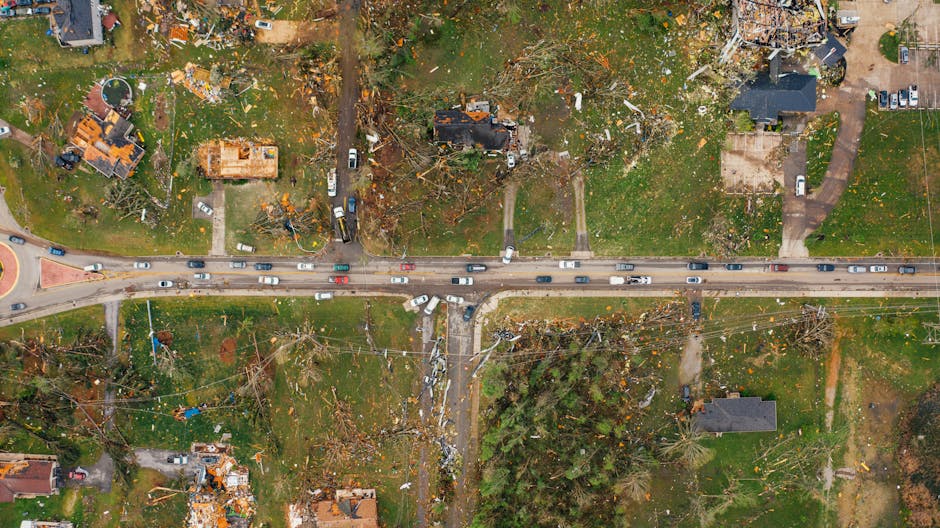
Insurance is not the same as immediate cash. After a major storm, contractors may require deposits, repair demand can rise, and claim inspections or payment decisions can take time. Banks may tighten lending, pause certain transactions, or take longer to process applications while a disaster affects an area. A HELOC or new credit line is not a reliable emergency plan: it may be slow, unavailable, or subject to underwriting just when many households are applying.
That timing matters even if you have strong insurance. A large hurricane deductible can require substantial cash before a covered claim produces enough money to complete repairs. Separately, a watch claim may have its own process, documentation requirements, and settlement timeline. Keep a realistic emergency reserve and know what expenses you would need to cover upfront.
If you own a valuable watch and face a short-term cash need, a collateral loan—with the watch held as security—may be one option to investigate. Companies such as Diamond Banc offer watch-backed lending services. This is borrowing, not insurance or a guaranteed source of funds: review the interest rate, fees, loan term, storage and insurance arrangements, default rules, and what happens roof damage deductible florida if you cannot repay. Compare the total cost with other available options before pledging the watch.
For broader household planning, some people consult a financial professional, including an adviser at a firm such as Morgan Stanley, about liquidity, credit, and emergency reserves. An adviser cannot change your policy’s coverage or guarantee post-storm lending availability, so keep insurance questions with your insurer or licensed agent and review any financial advice in light of your own circumstances.
Questions to ask before you bind coverage
- What exact value will appear on the schedule, and how was it determined?
- Which losses are covered: theft, accidental loss, damage, and mysterious disappearance?
- What is excluded, including wear, mechanical failure, unattended property, or flood?
- Is there a deductible, and does the homeowners hurricane deductible ever apply?
- Does the policy cover the watch worldwide, including while traveling?
- How are repairs or replacements approved, and what proof is needed for a claim?
- How often should I update the appraisal or insured value?
- Does the rider change my homeowners premium, renewal, or claims handling?
Keep the watch and the paperwork protected
Use a secure place to store the watch when you are not wearing it, and follow any storage or security requirements in the policy. Keep the serial number and detailed photos in a secure file. If you travel with the watch, carry only the documentation you need and avoid sharing its location or identifying details publicly. Good records do not replace insurance, but they can make it easier to establish what you owned and support a claim.

The bottom line
To add a scheduled jewelry rider for a Rolex, document the exact watch, obtain a current and defensible value, request a quote, and read the endorsement before accepting it. Confirm the covered causes of loss, deductible, settlement method, territory, and exclusions in writing. In Florida, review the hurricane deductible separately: a percentage-based deductible on the home can mean thousands—or tens of thousands—of dollars to fund after a storm, while post-disaster credit may be difficult to secure.
A scheduled rider can address limits and coverage gaps for the watch, but it is only one part of a storm-season plan. Make sure your documentation is current, your emergency cash plan is realistic, and you understand exactly which policy responds to each kind of loss.