Can I Borrow Against My Rolex to Fund a Renovation in Bel Air?
Yes, you may be able to borrow against your Rolex to cover renovation costs in Bel Air. A watch-secured loan lets you use the watch as collateral while keeping the possibility of getting it back after you repay the loan under the agreed terms. Whether that makes sense depends on the watch, the loan’s cost and duration, and how certain you are about your repayment plan.
There are other ways to turn a Rolex into renovation funds. Selling outright can provide a clearer, faster exit. Consignment may produce higher proceeds, but usually takes more time and does not guarantee a sale. The right choice starts with a realistic understanding of your watch’s value, not a guess based on its original retail price or a neighbor’s story about what theirs sold for.
Before discussing numbers, I want to see the box and papers. They do not automatically make a watch more valuable than its condition and originality warrant, but they can help establish its history and make it easier for a buyer or lender to assess. Then I want to know the reference, the watch’s service history, and whether any parts have been replaced.
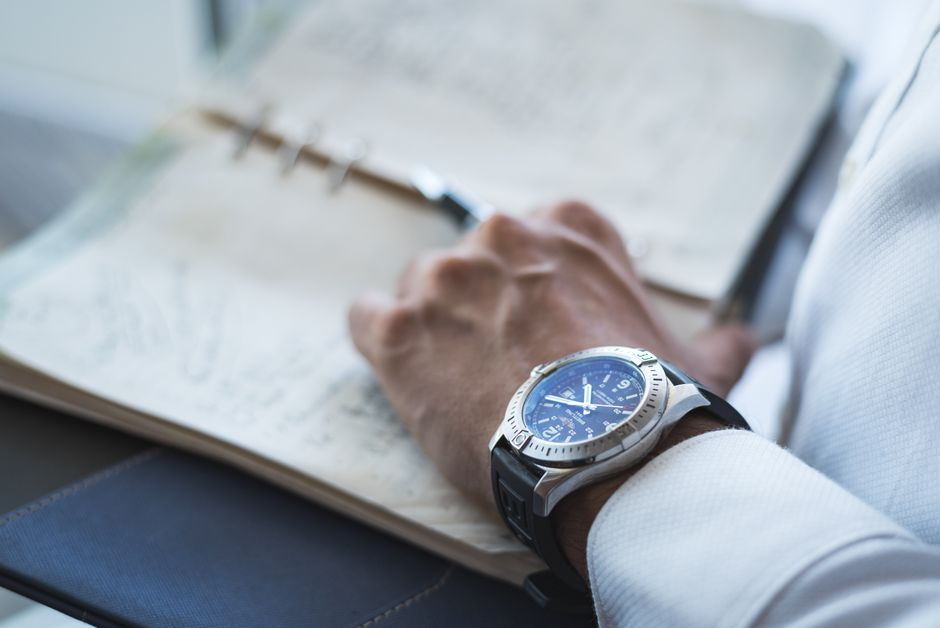
How a Watch-Secured Loan Works
Think about it: with a watch secured loan, you pledge your rolex as collateral for a loan. Depending on the lender, the watch may stay in its possession while the loan is outstanding. The lender assesses the watch, decides how much it is willing to lend, and provides terms covering interest, fees, repayment, storage, and what happens if you miss payments or do not repay.
The loan amount is generally based on the lender’s view of the watch’s resale value, not what you paid for it, what a dealer might ask for a similar example, or the full amount you need for construction. Lenders may offer only a portion of their estimated value to leave room for market movement and resale costs. Ask how the lender arrived at its valuation and whether the amount can change during the loan.
For a Bel Air renovation, timing matters. Contractors may need a deposit, staged payments, or a contingency reserve. A loan can help bridge a short-term cash need, but it is not a substitute for a repayment plan. If your project’s budget is still changing, borrowing against a valuable watch can add pressure at exactly the wrong moment.
Questions to ask before pledging your watch
- What is the total amount I must repay, including interest and every fee?
- When are payments due, and can I repay early without a penalty?
- Where will the watch be stored, and what insurance applies while it is held?
- What happens if I miss a payment or need more time?
- How long do I have to cure a default before the lender can sell the watch?
- Will I receive a written inventory, condition report, and photographs?
Read the contract rather than relying on a verbal explanation. Confirm the lender’s identity, the exact watch being pledged, the loan term, and the process for release after repayment. A reputable lender should explain the consequences of default plainly. If you are unsure about a provision, get independent legal or financial advice before signing.
Three Ways to Turn a Rolex Into Renovation Funds
Borrowing is only one option. Compare it with selling outright and consigning the watch. Each path trades off speed, certainty, ownership, and potential proceeds.
Option Speed and certainty Ownership Potential proceeds Main consideration Sell outright Often the most direct route once the watch is reviewed and an offer is accepted You give up ownership Known once you accept the offer Compare the net offer, not just the headline amount Borrow against it Can be relatively direct, subject to lender review and loan terms You may reclaim it after repayment Loan proceeds are below the watch’s estimated resale value Interest, fees, deadlines, and default risk Consign it Less predictable; finding the right buyer can take time Usually retained until sale, under the agreement May be higher than an immediate offer, but is not guaranteed Commission, timing, and the possibility it does not sellSelling Outright: Speed and Certainty
If you need funds on a defined schedule and do not need to keep the watch, selling outright may be the cleanest option. You receive an offer, review the net amount and payment terms, and decide whether to accept. Once the sale is complete, you do not owe interest or have a future repayment deadline tied to your renovation.
That certainty has a price. A buyer making an immediate offer needs room for resale costs, holding time, and market risk. “Fast cash” usually means a discounted offer compared with the possible price of a well-presented, patiently marketed watch. That does not make the offer unfair by definition. It means you should understand what you are giving up in exchange for speed.
Ask for the offer in writing and check whether it is conditional on inspection. Confirm when and how payment will arrive, whether any fees or deductions apply, and what happens if the watch’s condition differs from the initial description. Compare more than one credible offer when time allows.. Exactly.
Borrowing: Keep Ownership, Take on a Deadline
Borrowing can appeal if the Rolex has personal significance or you expect to reclaim it after the renovation. It may also suit a temporary cash need when you have a credible source of repayment, such as a scheduled payment or other funds arriving within the loan term.
But borrowing does not unlock the full market value of the watch. You receive a loan amount, then repay that amount plus interest and any applicable charges. The watch remains at risk if you fail to meet the contract’s requirements. If repayment depends on the renovation finishing on budget, pause and stress-test that assumption. Construction schedules and expenses can change.
Before pledging the watch, compare the loan’s total cost with other available funding. A lower monthly payment can still mean a higher total cost if the term is longer. Also ask whether a missed payment triggers fees, whether the lender offers extensions, and whether an extension increases the cost. Do not treat an extension as guaranteed unless the contract says so.
Consignment: More Time for a Potentially Better Result
Consignment puts your watch in front of potential buyers through a dealer or specialist, with the seller paid after the watch sells and the consignment terms are met. Because the seller is not simply making an immediate purchase offer, consignment can create the possibility of higher proceeds. It does not guarantee them.
A consigned Rolex may take weeks or longer to find the right buyer. The final amount depends on the asking price, buyer demand, the dealer’s commission, and any agreed costs. If your contractor needs funds next week, consignment may not solve the problem. If you have time and can wait, it may be worth comparing with an outright offer and a loan.
Get the agreement in writing. Check the commission, minimum sale price, marketing and insurance arrangements, who holds the watch, the length of the consignment period, and the process for retrieving it if it does not sell. Clarify whether the dealer can accept an offer below your preferred price and whether you must approve any discount.
What Drives Rolex Value?
There is no single number for a Rolex based on the name on the dial. A Submariner is not automatically interchangeable with another Submariner. Reference, condition, originality, completeness, and current buyer demand all shape what a buyer or lender may offer.
Reference
The reference identifies a specific model and configuration. Production period, materials, dial, bezel, bracelet, and other details can influence desirability. Two watches that look similar in a photograph may have different references, components, or market demand. Confirm the reference from the watch and its documentation where possible rather than relying on a broad model label.

Condition
Case shape, bracelet stretch, dial and hands, bezel, crystal, and mechanical performance all matter. A watch that has been polished heavily may show softened edges. Damage, moisture exposure, or an overdue service can affect an offer. Condition grading helps describe what is actually in front of a buyer or lender, instead of leaning on vague phrases such as “excellent for its age.”
Originality
Original components and a coherent history can support confidence. Replaced parts are not always a deal-breaker, but buyers may value a watch differently if the dial, hands, bezel, or bracelet do not beverlyhillsmagazine.com match what they expect for that reference and period. Disclose known service work and modifications. An honest account is better than a surprise during inspection.
Box, papers, and service history
Box and papers can help with completeness and provenance, but they do not erase condition issues or prove that every component is original. Keep service receipts, warranty cards, manuals, links, and other accessories together. If documentation is missing, say so upfront and ask how that affects the assessment.
Get a Valuation You Can Examine
For a useful estimate, look for a process that includes authentication, condition grading, and pricing from live secondary-market data. Authentication checks whether the watch and its components appear genuine. Condition grading records wear and function. Pricing from live secondary-market data provides context for current demand, rather than anchoring the estimate to an old sale or a high asking price that may never have attracted a buyer.
Ask the evaluator to show how the reference, condition, completeness, and recent comparable transactions informed the figure. Ask whether the number represents an estimated retail asking price, a likely private-sale range, a dealer purchase offer, or a loan valuation. These are different measures. A lender’s collateral value and a consignment estimate should not be presented as though they were guaranteed sale proceeds.
Photograph the watch and accessories before handing them over. Record the serial and reference details securely, and request a signed intake document listing the watch’s visible condition and included items. Do not share sensitive identifying information more widely than necessary. ...but anyway.
A Practical Decision Checklist
- Set the cash deadline. Write down when the renovation funds are due and how much you need at each stage.
- Gather the watch details. Find the box and papers, service records, reference information, and spare links.
- Get comparable paths priced. Ask for an outright purchase offer, a loan proposal, and consignment terms where available.
- Compare net figures. Include loan interest and fees, sale deductions, or consignment commission, not just the initial estimate.
- Choose based on your repayment and timing. Borrow only if the repayment source and deadline are credible. Choose consignment only if you can tolerate waiting.
So, Should You Borrow Against Your Rolex?
A watch-secured loan can help fund a Bel Air renovation while preserving a path to ownership, but it makes sense only when the terms are clear and repayment is realistic. Selling outright favors speed and certainty. Consignment may offer higher potential proceeds but requires patience and carries no guarantee of a sale. Borrowing sits between those choices: you keep the possibility of reclaiming the Rolex, while accepting interest, deadlines, and the risk of losing it if you do not repay.
Start with the watch, not the contractor’s estimate. Confirm the reference, document condition and originality, and get a transparent valuation based on current market evidence. Then compare the net outcome and timing of each option against your renovation schedule. That is a better way to find Bel Air renovation funds than borrowing on a number no one can explain.